
GNRI’s research agenda examines how communication networks, regional institutions and coalitions help small states address global challenges in health, climate and sustainable development. It builds on the research of GNRI’s founder, Dr Candia James.
Research areas
- Network diplomacy: how decentralised communication networks complement traditional diplomacy.
- Health and climate diplomacy: how coalitions and regional institutions advance health and climate priorities.
- Small states in global governance: how small island developing states build influence through collaboration.
- Public health communication networks: how communication networks can strengthen coordination and preparedness in small island states, including in response to the health impacts of climate change.
Work of our founder
Book
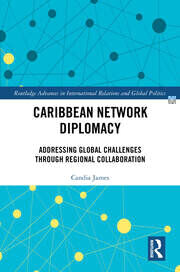
Candia James (2026). Caribbean Network Diplomacy: Addressing Global Challenges through Regional Collaboration. Routledge Advances in International Relations and Global Politics. Abingdon: Routledge.
The book analyses how Caribbean small states use communication networks, regional institutions and collaborative coalitions to exercise diplomatic influence. It draws on case studies of the Healthy Caribbean Coalition and the Caribbean Youth Environment Network.
Doctoral research
Dr James’s doctoral research at The University of the West Indies, St Augustine, used social network analysis to map communication within the Healthy Caribbean Coalition and the Caribbean Youth Environment Network. It identified influential actors and examined how these networks support or limit regional diplomacy on health and environmental challenges.

